Stress Management for Busy Adults: Practical Strategies That Actually Fit Your Life
Modern life doesn’t slow down just because we’re overwhelmed. Between work deadlines, family responsibilities, financial pressures, and the constant buzz of notifications, stress can feel like an unavoidable part of adulthood. But here’s the good news: you don’t need hours of free time or a perfect routine to manage stress effectively. Small, realistic habits can make a big difference.
Below are practical, doable strategies designed specifically for busy adults who want to feel calmer, clearer, and more in control.
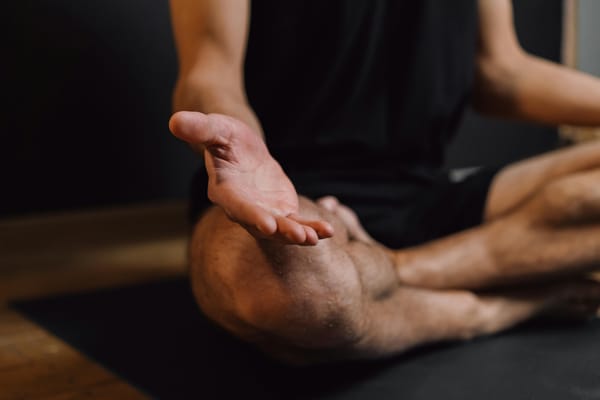
1. Start With Micro‑Breaks, Not Major Life Changes
You don’t need a 60‑minute meditation session to reset your mind. Try:
- A 60‑second breathing pause
- A quick stretch between tasks
- Standing up and walking for two minutes
- Looking away from screens to relax your eyes
These tiny resets help your nervous system settle, and they’re easy to fit into even the busiest day.
2. Set Boundaries That Protect Your Energy
Stress often comes from saying “yes” to too much. Try:
- Setting a cutoff time for work emails
- Saying “I can’t take that on right now” without guilt
- Creating a short morning or evening routine that’s just for you
Boundaries aren’t selfish—they’re essential for mental health.
3. Use the Power of Single‑Tasking
Multitasking feels productive, but it actually increases stress and reduces efficiency. Instead:
- Focus on one task at a time
- Silence notifications during important work
- Keep a simple to‑do list with your top three priorities
You’ll get more done with less mental chaos.
4. Build Stress‑Relief Into Things You Already Do
You don’t need extra time—you just need to layer calming habits onto your existing routine:
- Listen to calming music or a podcast during your commute
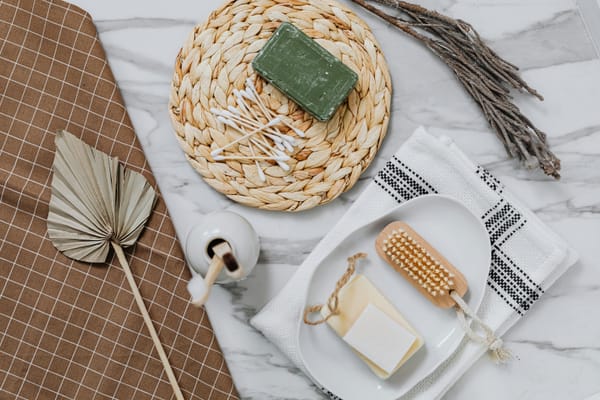
- Turn your shower into a mini‑spa moment
- Practice gratitude while brushing your teeth
- Use chores (like washing dishes) as a mindfulness break
These small shifts help your brain unwind without adding more to your schedule.
5. Move Your Body in Ways That Feel Good
Exercise is one of the most effective stress relievers, but it doesn’t have to be intense or time‑consuming:
- A 10‑minute walk
- Light stretching before bed
- Dancing to one song
- A quick home workout
Consistency matters more than duration.
6. Stay Connected to People Who Refill Your Cup
Stress grows in isolation. Make space for:
- A quick check‑in call with a friend
- Lunch with someone who makes you laugh
- A supportive text thread
- Time with people who bring positive energy
Healthy relationships act as a buffer against stress.
7. Give Yourself Permission to Rest
Busy adults often feel guilty for slowing down, but rest is not a luxury—it’s maintenance. Try:
- Going to bed 20 minutes earlier
- Taking a real lunch break
- Scheduling downtime the same way you schedule meetings
Your body and mind need recovery to function well.
8. Know When to Seek Extra Support
If stress starts affecting your sleep, mood, relationships, or daily functioning, it may be time to talk to a counselor, therapist, or support group. Reaching out is a sign of strength, not weakness.
Final Thoughts
Stress may be a part of life, but it doesn’t have to run your life. With small, intentional habits, you can create more calm, clarity, and balance—even in a busy season. Start with one or two strategies that feel doable today, and build from there. Your future self will thank you.